The Future of Video Production in the Digital Age

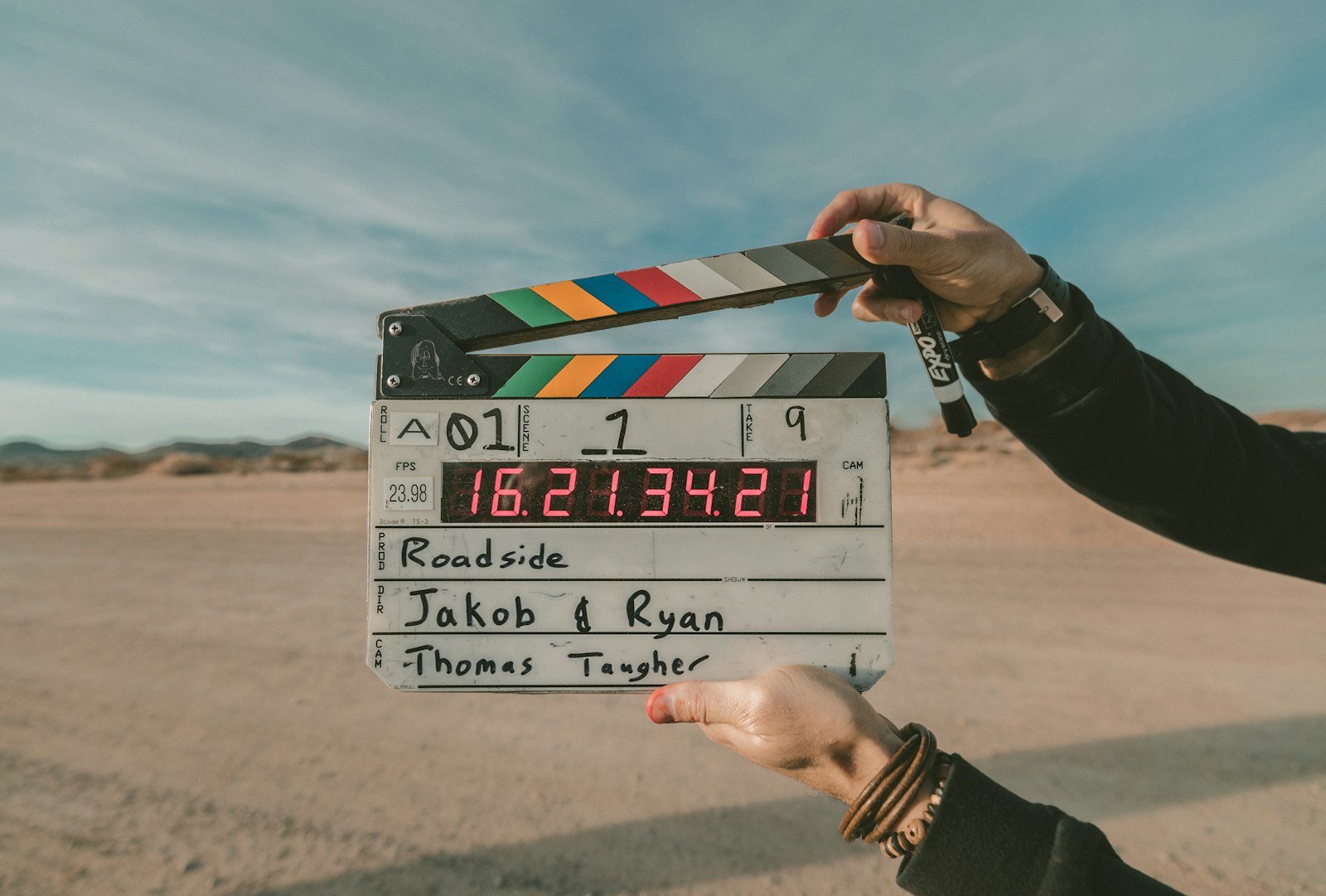
Video is no longer a nice-to-have — it is the primary language of the modern web. From the first three seconds of a social reel to a feature-length brand documentary, the way audiences consume stories has fundamentally changed, and production has to change with it.
At Record Media we've watched the landscape shift from bulky, crew-heavy shoots toward agile, technology-driven workflows. Cameras that once filled a truck now fit in a backpack. Colour grades that once took days now happen in real time. But the fundamentals — a clear message, a compelling character, and a reason to keep watching — have never mattered more.
Why Video Dominates the Digital Age
Attention is the scarcest resource on the internet, and motion wins attention faster than any other medium. A well-crafted video can communicate tone, credibility, and emotion in seconds — something a block of text simply cannot do. For brands, that means video is no longer one channel among many; it is the connective tissue that ties every campaign together.
"The brands that win the next decade won't be the ones who shout the loudest — they'll be the ones who tell the clearest, most human stories."
That shift rewards teams who can move quickly without sacrificing craft. It's the reason our production pipeline is built around small, senior crews and a strong pre-production process — so the creativity happens on paper first, and the shoot day stays focused.
Three Trends Redefining Production
The tools are exciting, but the strategy behind them is what actually moves the needle. These are the shifts we're building around right now:
- Vertical-first storytelling — shooting for the phone before the screen, not the other way around.
- Real-time production — virtual sets and live grading that compress weeks of post into days.
- Data-informed creative — using performance signals to shape the next edit, not just report on the last one.
Craft still beats gear
It's tempting to believe the newest camera or the flashiest effect is what separates good work from great work. In practice, the difference is almost always intention: knowing exactly who the film is for, what it needs to say, and what you want them to feel at the final frame. Technology only amplifies a strong idea — it can't rescue a weak one.
Building for every screen
A single story now needs to live as a cinematic hero film, a thirty-second cut-down, and a stack of platform-native clips — all from one production. Planning that ecosystem up front is what keeps budgets sane and messaging consistent across every touchpoint your audience encounters.
The future of video production isn't about doing more for the sake of it. It's about doing the right thing, deliberately, for the people you want to reach — and letting the technology quietly serve the story.



3 Comments
This really resonated with our team. We shifted to a vertical-first approach last quarter and the difference in engagement was immediate. Great read!
ReplyThanks Sara! That's exactly the shift we're seeing across the board — planning for the phone first changes everything downstream.
ReplyThe point about craft beating gear is so underrated. We spent a year chasing equipment before realising our scripts were the weak link. Bookmarking this one.
ReplyJoin The Conversation
LEAVE A COMMENT
Your email address will not be published. Required fields are marked *